October 28, 2026
How to Choose a Hijab Color Assortment for Your Store
- Build the assortment in three tiers: core neutrals that carry most of the units, a few signature shades that give the range its identity, and a small number of test colors.
- A practical starting split is roughly 55-65% core, 25-35% signature and 10-15% test colors, then adjust it with your own sell-through data.
- Fewer colors with enough depth usually sell better than many colors with thin stock, especially for a first order.
- Approve colors on physical samples under the lighting your customers will see, and confirm how the minimum order applies to colors before you finalise quantities.
The best hijab color assortment for a store is not the longest color list. It is a deliberate mix: a deep base of neutrals that sell every month, a handful of signature shades that make your range recognisable, and a small allocation of test colors that tell you what to buy next. For most first wholesale orders, that means choosing fewer colors, buying each one in sensible depth, and confirming every shade on a physical sample before you place the bulk order.
This guide walks through how to build that mix, how to allocate quantities across colors and fabrics, and how to check colors before you commit.
Start with your customer, channel and fabric
Before choosing shades, write down three things.
- Who buys from you. An everyday customer who wears a hijab to work or school replaces staple colors often. A customer who shops for events buys fewer pieces but looks for richer, dressier shades.
- Where you sell. A physical boutique needs enough units per color to display a full stack. An online store needs fewer units per color on the shelf, but each color must photograph accurately so returns stay low.
- Which fabric carries the color. The same color name can look different across fabrics. A matte cotton jersey reads softer, a liquid jersey has more sheen and looks deeper, and decorative styles such as modal lace add texture that changes how a color appears.
These answers decide whether your assortment leans toward everyday neutrals or toward statement shades, and whether you can carry many colors or should concentrate on a few.
The three-tier color assortment
Think of your color range as three groups with different jobs.
| Tier | Role in the range | Typical colors | Starting share of units |
|---|---|---|---|
| Core | Reliable repeat sellers that match most outfits | Black, cream, nude beige, navy, soft grey | About 55-65% |
| Signature | Shades that give your store its own look | Mocha, dusty rose, sage, burgundy | About 25-35% |
| Test | New or seasonal colors you want to validate | One or two trend or customer-requested shades | About 10-15% |
The percentages are planning starting points, not fixed rules. A modest everyday boutique might push core colors higher. A fashion-led online brand with a strong visual identity might give signature shades more space. What matters is that each color has a clear job and that the core tier carries enough stock to avoid running out of your most dependable sellers.
Core colors
Core colors are the shades customers buy without needing to be persuaded. They pair with most clothing and are often bought in multiples. Keep them in stock continuously and reorder them first.
Signature colors
Signature colors are where your store's taste shows. Choose them to fit your customer and your visual merchandising, not only general trend reports. Two to four signature shades per fabric is usually enough for a first order.
Test colors
Test colors are small bets. Buy them at the minimum workable quantity, give them a clear review date, and decide in advance what sell-through would justify a reorder.
Example: splitting a 400-piece first order
Example scenario, for illustration only: a boutique wants an everyday line and a dressier line. It chooses bamboo jersey for daily wear and liquid jersey for occasions, and plans in 50-piece blocks. The color names below are placeholders; match them to the color card of the product you actually choose.
| Fabric | Color | Tier | Pieces |
|---|---|---|---|
| Bamboo jersey | Black | Core | 50 |
| Bamboo jersey | Cream | Core | 50 |
| Bamboo jersey | Nude beige | Core | 50 |
| Bamboo jersey | Mocha | Signature | 50 |
| Bamboo jersey | Dusty rose | Signature | 50 |
| Liquid jersey | Black | Core | 50 |
| Liquid jersey | Navy | Core | 50 |
| Liquid jersey | Sage | Test | 50 |
| Total | 8 SKUs | 400 |
In this example, core colors carry 250 pieces (about 62%), signature colors 100 pieces (25%) and the test color 50 pieces (about 13%). Black appears in both fabrics because it is the color most likely to sell in each.
The example assumes the minimum can be split by color in 50-piece blocks. QIUYAN's published MOQ is 50 pieces per design, with some specialty fabrics starting at 100 pieces, so confirm how the minimum applies to colors for the specific products in your quote. The MOQ guide explains the different MOQ layers in more detail.
Depth versus breadth: how many colors to carry
The most common first-order mistake is buying too many colors in thin quantities. Thin stock causes two problems: popular colors sell out before you can reorder, and the shelf or product page looks incomplete.
Use these questions to decide how many colors to include.
- How many pieces of one color do you need to present it properly in store or online?
- How many weeks of sales should the first order cover before a reorder can arrive?
- Which colors have you already sold well in other fabrics or styles?
- How much of the budget can you afford to tie up in colors that might sell slowly?
If the answers point to a limited budget, cut test colors first, then signature colors, and keep the core colors deep. A tight range that sells through gives you cleaner data than a wide range that leaves many colors half-sold.
Check colors on samples before you commit
Colors on a screen or a color card are a starting point, not an approval. Before bulk ordering, evaluate physical samples.
- View samples in more than one light. Check them in daylight and under the lighting in your store or photo studio. Some shades shift noticeably between warm and cool light.
- Photograph them the way you will sell them. If you sell online, take product photos of the sample and compare the photo with the real piece. A color that photographs badly creates returns.
- Compare colors side by side. Lay core and signature shades next to each other to make sure the range looks intentional and that no two colors are so close that customers cannot tell them apart.
- Ask about bulk consistency. Confirm how the supplier keeps bulk production close to the approved sample and what tolerance applies.
QIUYAN's published sample lead time is typically 5-7 working days, so build this approval step into your schedule rather than skipping it to save time. For a wider review of sample quality, see how to evaluate a supplier's quality before your first order.
Coordinate colors across fabrics and accessories
Customers often buy a hijab together with an undercap or a second hijab in a related shade. Plan for that.
- Offer jersey undercaps in the core neutrals that match your best-selling hijab colors.
- Do not assume the same color name will match across fabrics. Approve each fabric's shade separately.
- Group colors into simple families on your shelves or product pages, such as neutrals, earth tones and deep shades, so customers can build combinations easily.
Use sell-through to adjust the next order
The first order is a test of your assortment as much as a source of revenue. Set review points, for example at four and eight weeks after launch, and record units sold per color.
- Core colors that sell steadily should be reordered first and kept in stock.
- Signature colors that perform well can move into the core tier.
- Test colors that miss your target should not be repeated; replace them with a new test.
For reorder timing, see the guides on inventory planning and replenishment forecasting. For seasonal shade ideas, see our autumn/winter color trends.
Common color assortment mistakes
- Choosing colors based only on personal preference rather than customer demand.
- Spreading the budget across too many colors with too little depth.
- Approving colors from a screen without checking a physical sample.
- Assuming one color name matches across different fabrics.
- Repeating test colors that did not sell instead of replacing them.
Color assortment checklist before you order
- Define your customer, sales channel and target fabrics.
- Choose core colors first and give them the largest share of units.
- Add two to four signature colors per fabric.
- Limit test colors to one or two at the minimum workable quantity.
- Confirm how the MOQ applies to colors for each product.
- Approve every color on a physical sample in your own lighting.
- Set review dates and reorder rules before the stock arrives.
Ready to plan your range? Browse the full hijab catalog to compare fabrics and color options, or send us your planned colors and quantities and our team will reply with a quotation and sample options.
Frequently Asked Questions
+How many colors should a boutique order in a first wholesale hijab order?
+Which hijab colors should be the core of an assortment?
+Does the same color look the same in different hijab fabrics?
+Does the minimum order quantity apply per color?
Recommended Products
Sourced directly from our Yiwu manufacturing facility.
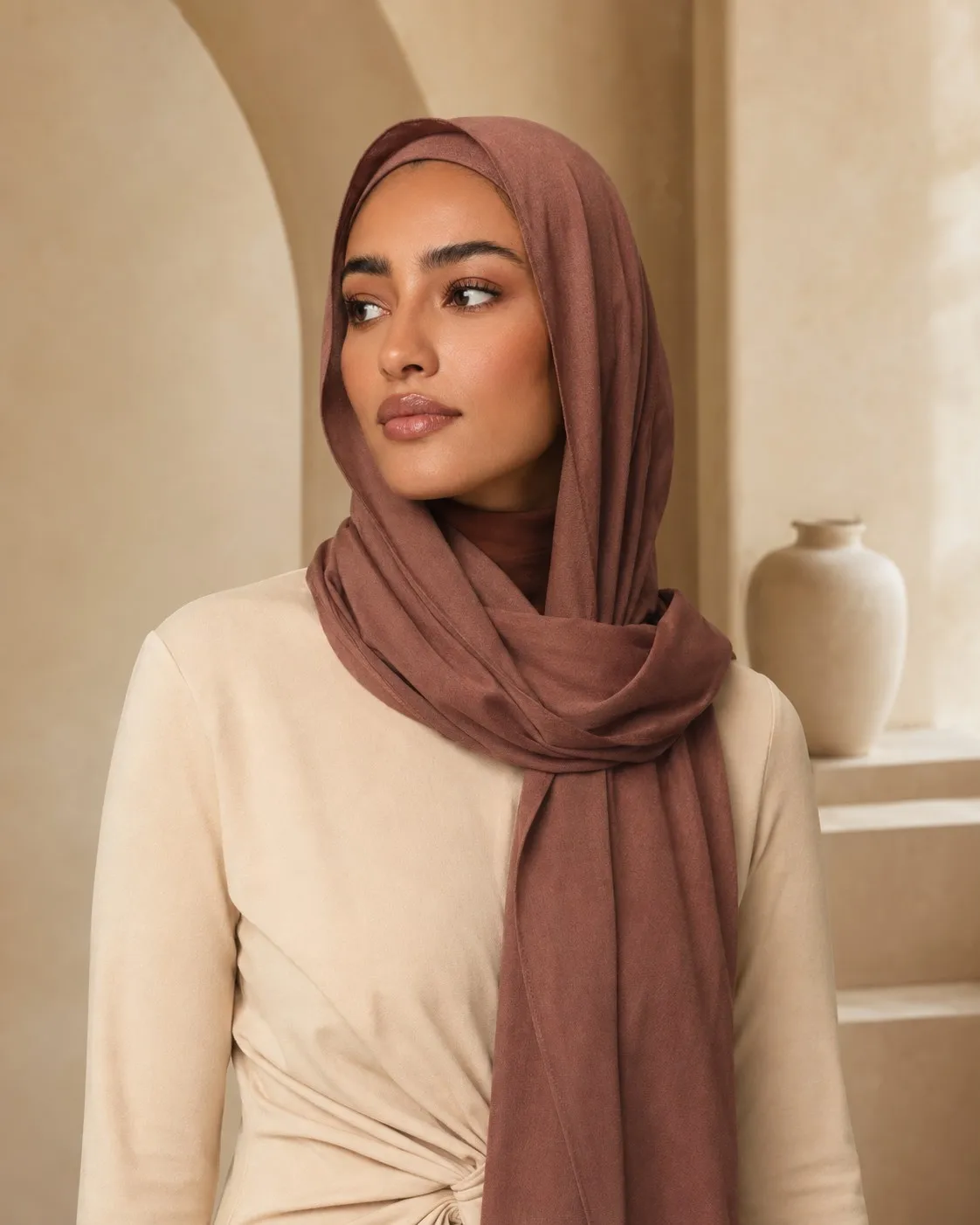
Private Label Bamboo Jersey Hijab — Wholesale Breathable, OEM Manufacturer | Terracotta Solid Collection
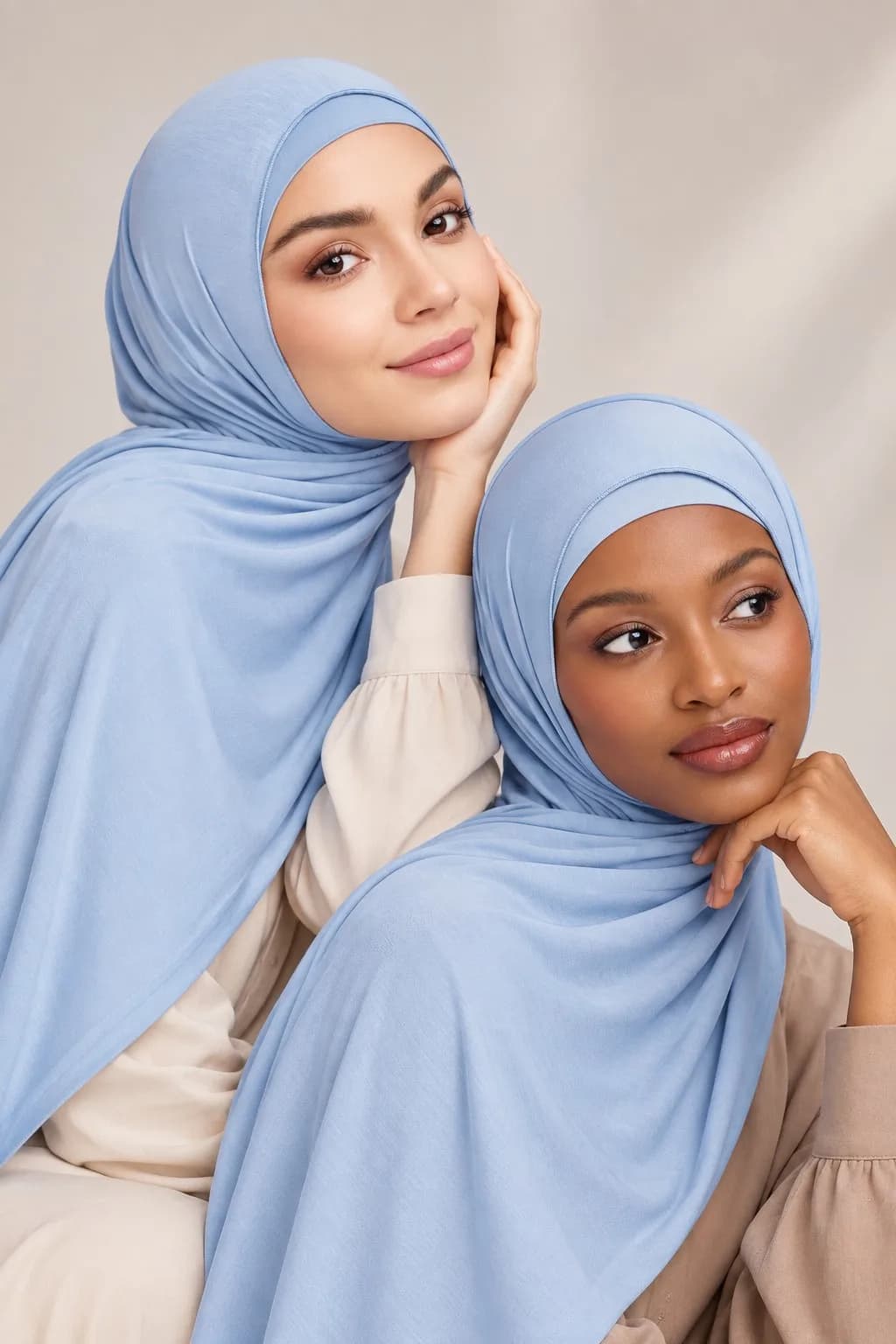
Custom Bamboo Jersey Hijab Set Wholesale | Matching Hijab & Underscarf Manufacturer
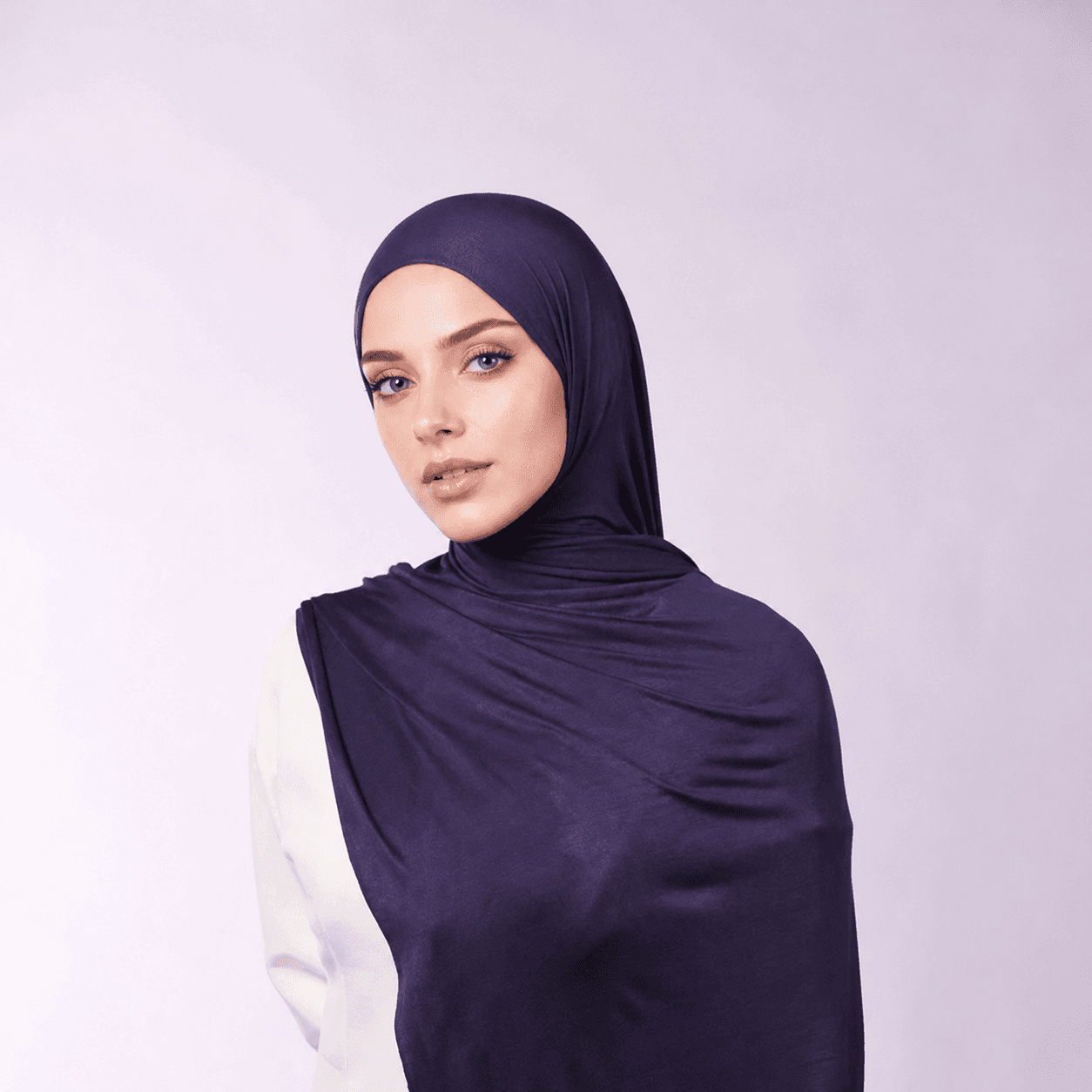
2025 Newest Bamboo Jersey Hijab — Ultra Lightweight Modest Style
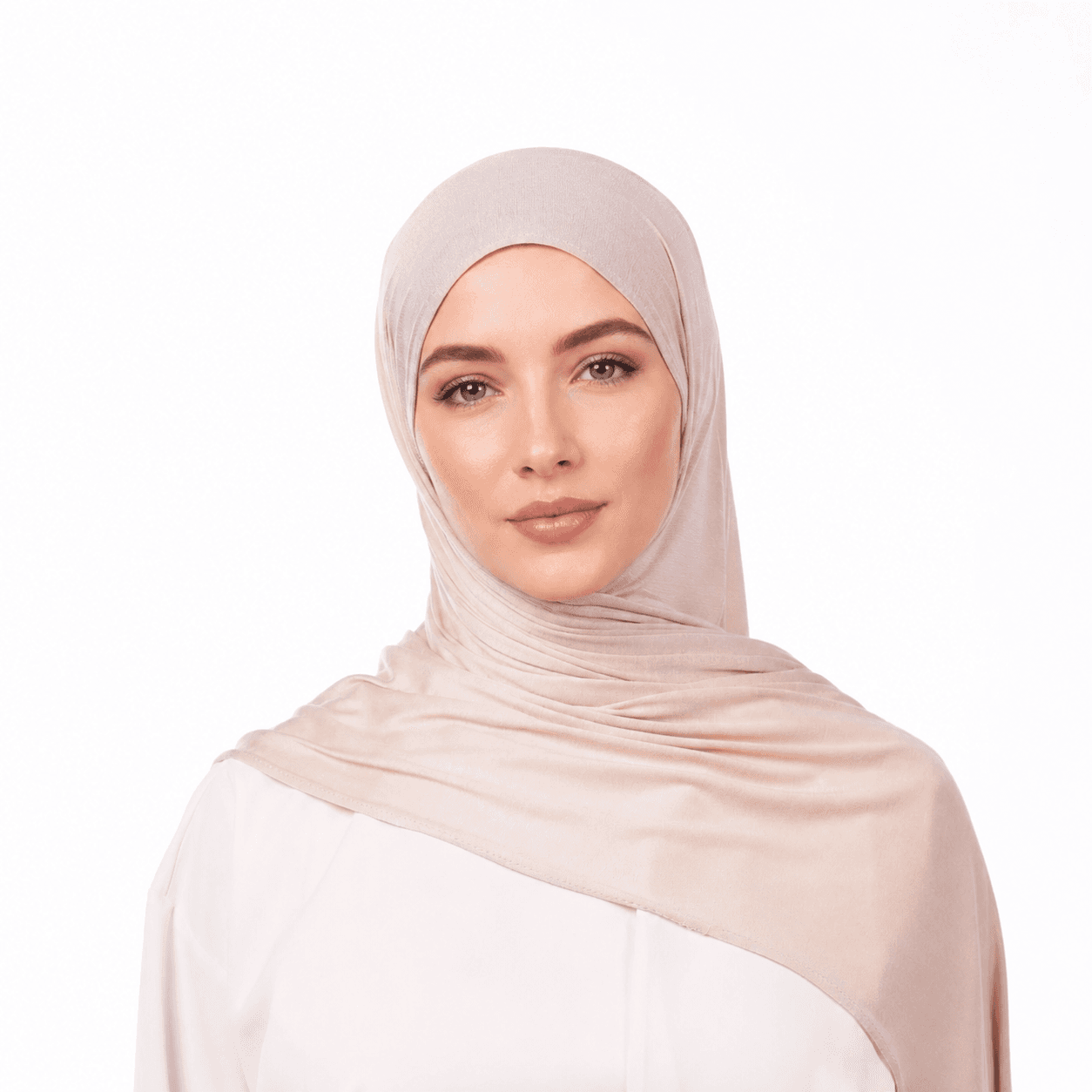
Best-Selling Bamboo Jersey Scarf — Wrap-Soft Durable Stitch
Ready to source hijabs for your brand?
Request a Free Sample Kit