November 3, 2026
Lace, Ruffle, Trim or Tassel: Choosing Decorative Modal Hijabs for Your Store
- Choose decorative modal styles by the customer occasion they serve, not only by the trim name.
- Keep the first range focused: one lead style, one supporting style and a small test allocation are easier to merchandise than four equal collections.
- Use samples to check how lace, ruffles, trim or tassels change drape, care questions, packaging and photography requirements.
- QIUYAN's published standard MOQ is 50 pcs per design, while some specialty fabrics start at 100 pcs; confirm the exact MOQ for each selected style before allocating units.
The right decorative modal hijab assortment is usually a focused mix of styles with different selling roles, not equal quantities of lace, ruffle, trim and tassel designs. For a first wholesale buy, decide which customer occasion you want to serve, choose one lead decorative direction, add one supporting direction, and reserve a small test allocation for the style with the most uncertainty. This keeps your display and product photography coherent while giving you useful sales data for the next order.
Decorative modal hijabs are different from a technical guide to lace construction or factory production. The buyer's decision is commercial: which style belongs in the range, how many pieces are sensible, and what should be checked before committing stock.
Start with the job each style must do
Before comparing details, write the retail job for each style. A decorative edge can make an everyday hijab look more distinctive, but it can also move the product toward occasion wear, gifting or a higher-touch shopping experience. Your assortment should match the way customers browse your store.
- Modal lace can act as a refined statement option for occasion dressing, gifting or a premium boutique display. Review the modal lace hijab category to see the product family available on site.
- Modal ruffle can create movement and a softer fashion statement. It may work as the visual anchor of a seasonal edit, but it needs clear photos that show the edge rather than hiding it in a folded product shot.
- Modal trim can sit between plain and highly decorative. A border, jacquard detail or embroidered-looking edge can give customers a controlled way to buy into decoration.
- Modal tassel is the most visibly playful option of the four. It can support giftable or occasion-led merchandising, but tassel details deserve extra checks for packing, tangling and presentation.
These are assortment roles, not promises about demand. Use your own sales history, customer profile and selling channel to decide which role deserves the largest allocation.
Compare the four decorative modal directions
Use the table below as a buying screen before requesting samples. It keeps the decision focused on merchandising and stock risk rather than on production specifications that have not been confirmed for a particular SKU.
| Style direction | Best assortment role | Buyer questions before ordering | Stock risk to manage |
|---|---|---|---|
| Modal lace | Premium or occasion statement | Does the detail read clearly in a close-up and a full drape photo? | A strong style may sell in fewer repeat colours |
| Modal ruffle | Seasonal focal point | Does the edge keep its shape when folded, packed and styled? | A distinctive style can narrow the everyday use case |
| Modal trim | Bridge between core and statement | Is the border visible enough to justify its position in the range? | A subtle detail can be missed if photography is weak |
| Modal tassel | Giftable or expressive accent | Are the tassels even, secure and easy to present after shipping? | Loose or tangled presentation creates customer questions |
The table is a decision aid, not a test result. Approve a specific style only after reviewing its physical sample and exact quote.
Build a focused first assortment
A common mistake is to treat four decorative families as four equal launches. Equal allocation can leave every style too shallow to display well and make it difficult to tell which customer occasion drove the sale. Assign each style a role in the range.
- Lead style: choose the decorative direction that best matches your store identity and target customer. Give it enough depth to create a visible story across the colours you plan to show.
- Supporting style: choose a different construction or visual rhythm that gives customers a real alternative, not a near-duplicate.
- Test style: select the design with the biggest unanswered question, such as whether customers prefer a subtle border or a more expressive edge.
- Hold-back decision: do not force the fourth direction into the first order if the sample does not add a clear customer benefit. Add it later when you have evidence or a seasonal reason.
Example 400-piece allocation for illustration only: 200 pieces in the lead style, 120 pieces in the supporting style and 80 pieces in a test style. This is not a universal ratio and does not establish a colour-level MOQ. It shows how a buyer can create depth in the main story while limiting exposure to the least certain option.
QIUYAN's published standard MOQ is 50 pcs per design, and some specialty fabrics start at 100 pcs. Because that published rule is design-based rather than a universal colour rule, ask how the MOQ applies to the exact decorative style, colour selection and order structure before finalising the allocation.
Use samples to evaluate the customer experience
A decorative style should pass more than a fabric hand-feel check. Evaluate the sample as a product that must be photographed, folded, packed, displayed and explained to a customer. QIUYAN's published sample policy says pre-production samples are refundable against a bulk order and typically ship in 5-7 working days. Treat that as published guidance, then confirm current timing for your chosen style.
A buyer's decorative-style scorecard
Score each sample from 1 to 5, where 1 means weak or unresolved and 5 means ready for range planning. Keep the scorecard with your quote so the quantity decision is traceable.
| Check | What to look for | Score |
|---|---|---|
| First visual read | Can a shopper tell the decorative feature from the first product image? | 1-5 |
| Drape and comfort | Does the detail support the way the fabric is intended to be worn? | 1-5 |
| Edge presentation | Does the edge look even and intentional across the full length? | 1-5 |
| Packing recovery | Does the sample present well after folding and unpacking? | 1-5 |
| Photography clarity | Can your team show the detail in a full view and close-up? | 1-5 |
| Range fit | Does it add a different role instead of repeating another SKU? | 1-5 |
| Customer explanation | Can staff or product copy explain the value simply? | 1-5 |
Do not turn a score into a testing claim. The scorecard is your internal buying tool. If a sample raises a question about care, colour, dimensions, trim security or packaging, record the question and ask for a written answer before placing the bulk order.
Decide colour depth after the style decision
Colour planning should follow the role of the style. A lead everyday-adjacent decorative style can support more core neutrals, while a highly expressive tassel or ruffle style may be better presented in a narrower colour story until demand is proven. Do not copy a colour allocation from a plain bamboo jersey hijab range without checking how the decorative edge changes the product's occasion and visual weight.
Use three colour groups as a simple planning framework:
- Core shades: colours that make the style easy to wear and combine with existing products.
- Signature shades: colours that give the decorative collection a recognisable identity and make the range look intentional.
- Test shades: one or two colours that answer a specific customer question, such as whether the style works beyond neutrals.
For every selected shade, write the reason it is included, the intended customer occasion and the evidence you will use to reorder it. If you cannot explain the role of a colour, it is probably too early to buy it.
Check the commercial details before release
Before approving the purchase order, compare the quote and sample notes line by line. QIUYAN's published product information includes modal categories for lace, ruffle, trim and tassel, but exact details for each selected SKU still need confirmation. Ask for the final item reference, material, dimensions, colour list, MOQ, sample status, packaging method, production timing and shipping arrangement in one written summary.
QIUYAN's published bulk production timing is usually 10-20 days depending on quantity. Use it as published guidance, not as a promise for every order, and confirm timing after the style, quantity and customisation are fixed. If you add logo, woven labels, care labels, hang tags or retail packaging, make sure those requirements appear in the quote and approval record.
A simple pre-order checklist:
- [ ] Each style has a defined retail role.
- [ ] The lead style has enough depth to merchandise clearly.
- [ ] The supporting style is meaningfully different.
- [ ] Test colours have a written learning goal.
- [ ] Samples were reviewed after folding and unpacking.
- [ ] The quote states the exact MOQ application for each design and colour.
- [ ] Material, dimensions, packaging and customisation are confirmed in writing.
- [ ] Production timing and shipping method are confirmed for the actual order.
- [ ] The reorder signal is defined before stock arrives.
When to choose plain jersey instead
Decorative modal is not automatically the best first purchase. If your customer mainly wants easy daily wear, compare the range with QIUYAN's cotton jersey category, premium jersey category and liquid jersey category. A plain jersey base can provide dependable range coverage, while one decorative modal style adds visual interest without making the entire order occasion-led.
The strongest assortment is the one you can explain, photograph and replenish. If you need a broader comparison before choosing the lead fabric, read the guide to jersey or modal for boutique stock.
Final buying decision
Choose modal lace, ruffle, trim or tassel according to the customer job you want the collection to perform. Start with a lead style, support it with a distinct second direction, and use a smaller test allocation for the biggest uncertainty. Review samples with a buyer's scorecard, confirm the exact MOQ and timing for each design, and keep your colour plan narrower than your long-term ambition.
When you are ready to confirm the style list and quantities, use QIUYAN's wholesale product range or contact the team with your target market, selected styles, colour plan and estimated units.
Frequently asked questions
Which decorative modal hijab style should a boutique stock first?
There is no universal first style. Choose the option that best matches your customer's main occasion and your store's visual identity. Use a physical sample and a small, clearly defined test allocation before expanding the range.
Should I order equal quantities of lace, ruffle, trim and tassel hijabs?
Usually not. Equal quantities can spread stock too thinly and make the range difficult to merchandise. Assign one lead style, one supporting style and a test style, then use sales data to decide whether the fourth direction deserves a later order.
What is QIUYAN's published MOQ for decorative modal hijabs?
QIUYAN's published standard MOQ is 50 pcs per design, while some specialty fabrics start at 100 pcs. Confirm how the MOQ applies to the exact decorative design and colour combination before placing the order.
How should I evaluate a decorative hijab sample?
Check the first visual read, drape, edge presentation, packing recovery, photography clarity, range fit and how easily the customer benefit can be explained. Record unresolved questions and request written confirmation before bulk approval.
When should I add the fourth decorative style?
Add it when the style has a clear role, a suitable sample and a reason supported by customer feedback or sales data. Do not add it only to make the assortment look complete.
Frequently Asked Questions
+Which decorative modal hijab style should a boutique stock first?
+Should I order equal quantities of lace, ruffle, trim and tassel hijabs?
+What is QIUYAN's published MOQ for decorative modal hijabs?
+How should I evaluate a decorative hijab sample?
+When should I add the fourth decorative style?
Recommended Products
Sourced directly from our Yiwu manufacturing facility.
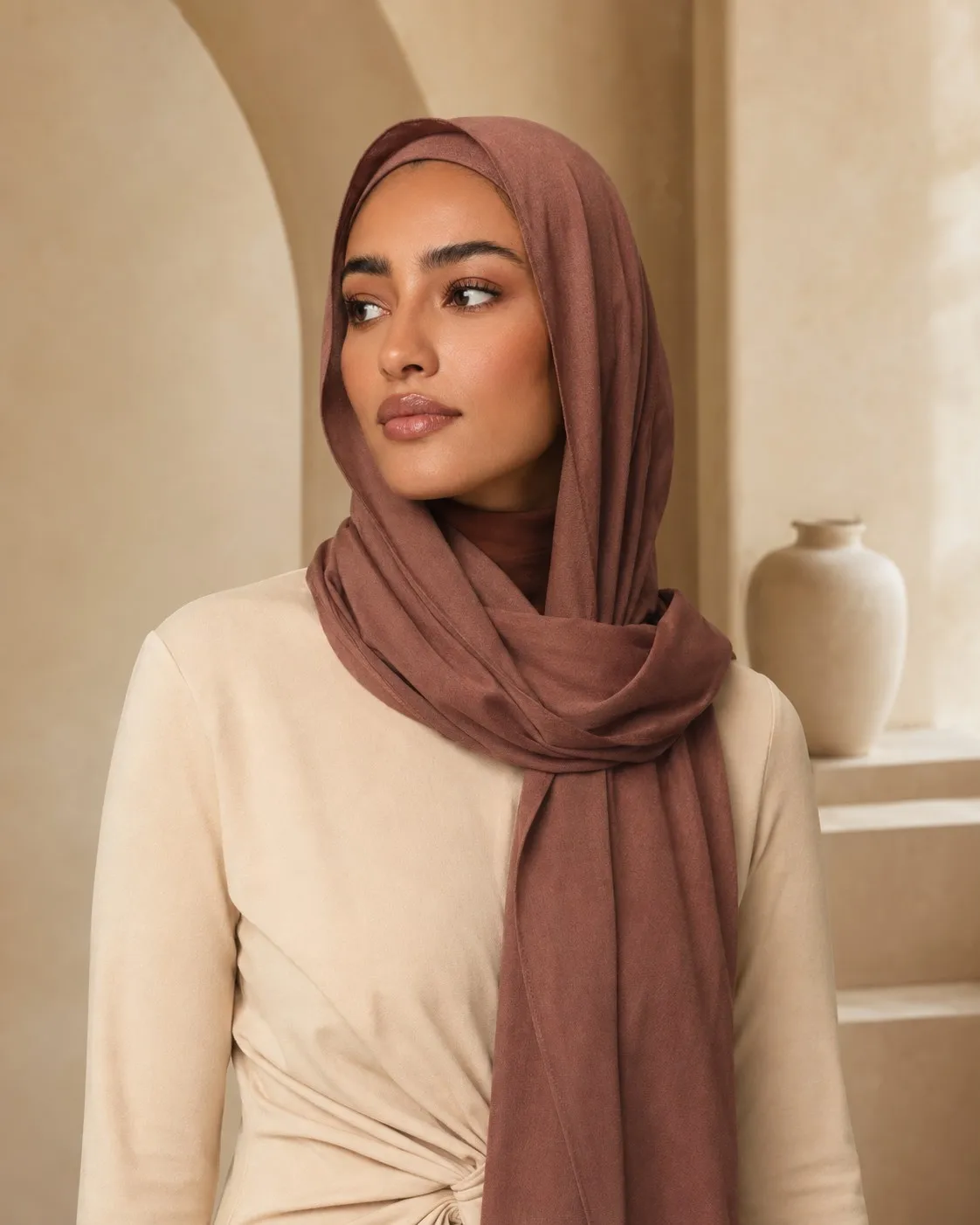
Private Label Bamboo Jersey Hijab — Wholesale Breathable, OEM Manufacturer | Terracotta Solid Collection
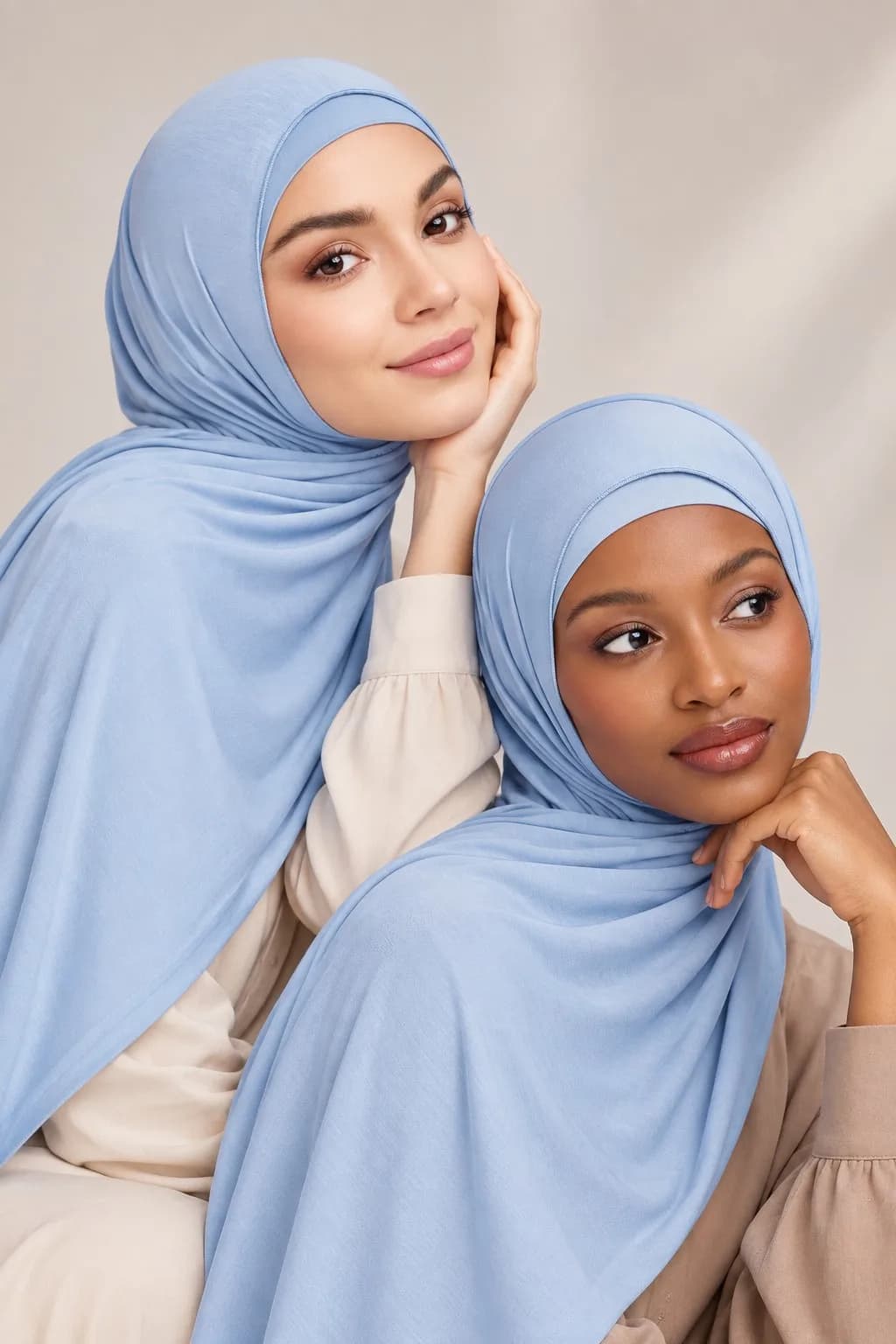
Custom Bamboo Jersey Hijab Set Wholesale | Matching Hijab & Underscarf Manufacturer
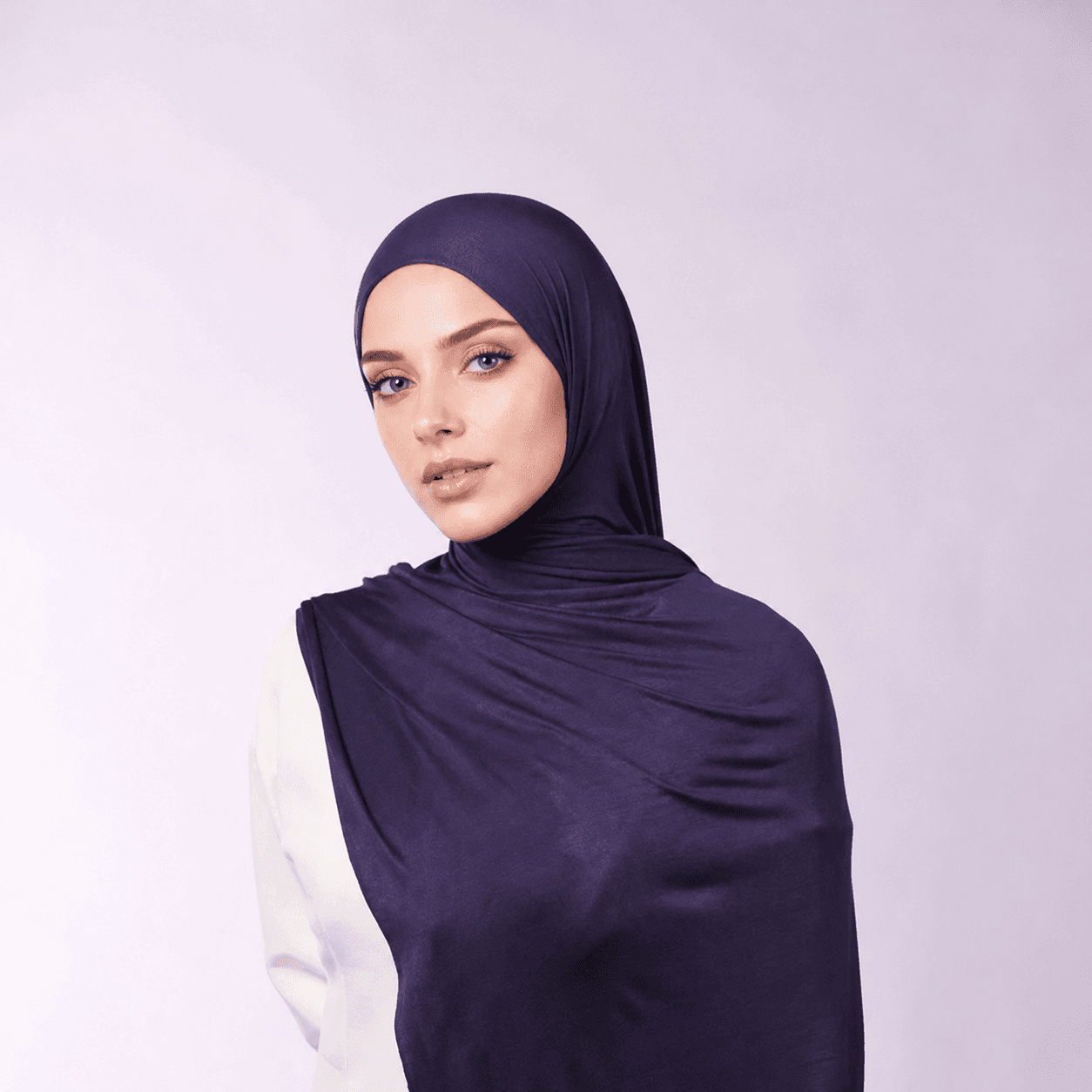
2025 Newest Bamboo Jersey Hijab — Ultra Lightweight Modest Style
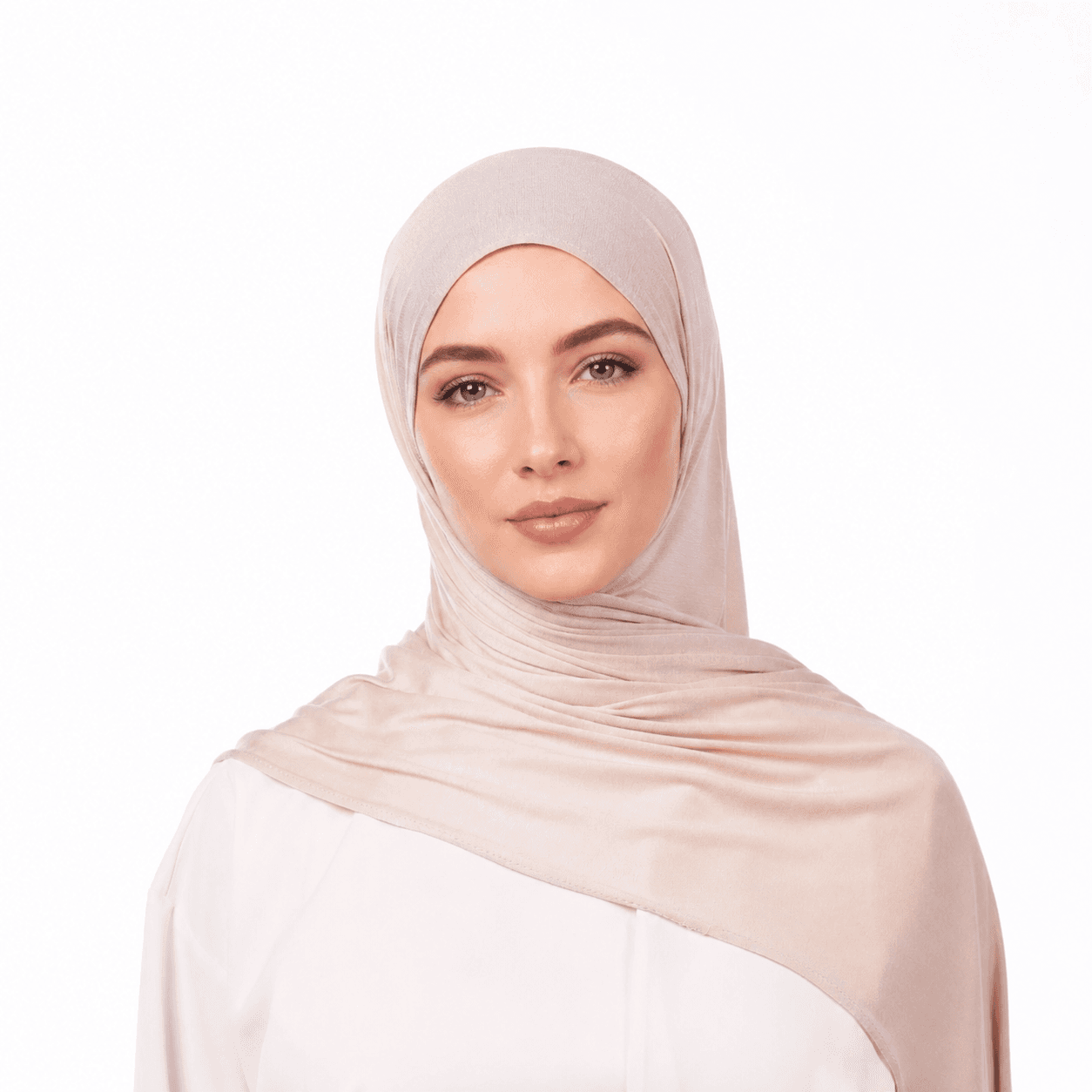
Best-Selling Bamboo Jersey Scarf — Wrap-Soft Durable Stitch
Ready to source hijabs for your brand?
Request a Free Sample Kit