October 31, 2026
Jersey or Modal: Which Hijab Fabric Should a Boutique Stock First?
- Stock jersey first when you need a practical core range with familiar everyday categories and a focused colour plan.
- Start with modal when your shop is positioned around lighter drape, premium presentation or decorative modal styles, but keep the first range narrow.
- Do not decide from fabric names alone: compare the actual sample, customer use case, selling channel, MOQ and reorder path.
- Use a small test order, record sell-through by fabric and colour, and let the next order—not the first assumption—set your range balance.
If a boutique can stock only one hijab fabric range first, choose the fabric that best matches its first customer use case and sales channel—not the fabric with the most premium-sounding name. Jersey is usually the safer starting point for an everyday, easy-to-explain range, while modal can be the better first choice for a boutique built around a lighter drape or decorative finish. The right decision comes from comparing samples, the intended assortment, the minimum order, and how quickly you can learn from the first order.
This guide is about buying sequence. It does not replace the broader technical comparison in our modal vs jersey fabric guide.
Start with the job each fabric must do
Before you compare names, describe the first collection in one sentence. For example: everyday hijabs for repeat local customers, a premium capsule for occasion dressing, or a small online launch that needs a clear product story. That sentence is more useful than asking which fabric is universally better.
Use these three questions:
- What will customers wear most often? If the answer is daily work, school or general wardrobe use, begin by testing a core jersey option. If the answer is occasion styling or a lighter premium look, include modal in the first sample round.
- How will customers shop? A physical boutique can explain hand-feel in person. An online store must communicate drape, weight and care expectations clearly through product copy and photography.
- What must the first order teach you? Your first order should answer a buying question, such as whether customers prefer a dependable jersey staple or a more elevated modal presentation.
The goal is not to launch every available category. It is to create a first range with a clear reason for each SKU (stock keeping unit, or a separately managed product item).
When jersey should come first
Choose jersey first when your priority is a dependable base assortment that is easy to organise by everyday use. QIUYAN's published product categories include bamboo jersey, cotton jersey, premium jersey and liquid jersey, so a buyer can build a focused jersey-led range without treating every fabric as a separate launch.
A jersey-first plan can make sense when:
- Your store needs staple products before statement products.
- You want to test several fabric roles while keeping the collection structure simple.
- Your buyers ask first about comfort, stretch, everyday wear or easy styling.
- You need a clear route from a first test order to a repeat order.
The next decision is which jersey category is appropriate. Bamboo jersey and cotton jersey can be evaluated as core options, while premium jersey can support a more elevated position. Liquid jersey should be assessed as a separate drape and appearance proposition rather than assumed to behave like every other jersey. The sample—not the category label—should decide the final description and customer promise.
QIUYAN's published product information lists bamboo jersey and cotton jersey at 200 GSM (fabric weight), premium jersey as medium weight, and liquid jersey at 160–180 GSM. These figures help structure a sample comparison, but they do not by themselves predict customer preference or sell-through.
When modal should come first
Choose modal first when the boutique's identity depends on a softer premium presentation, a lighter drape, or decorative details. QIUYAN's published catalogue includes Lenzing modal, bamboo modal, and decorative categories such as modal lace, modal ruffle, modal trim and modal tassel.
A modal-first plan can make sense when:
- Your visual merchandising is built around fluid drape or occasion styling.
- Your buyers already understand why they want modal rather than a basic everyday fabric.
- You can keep the opening range narrow enough to explain the difference between each style.
- You will review a physical sample for hand-feel, edge detail and the way the fabric presents under your store lighting.
Modal does not automatically mean that every style belongs in the first order. A decorative modal range may need a tighter colour and style edit than a core jersey range. If your store is new to the category, one plain modal option plus one carefully selected decorative option may teach you more than a large group of similar styles.
A buyer's first-order decision table
Use this table before requesting a quote. It is a planning tool, not a sales forecast.
| Buying question | Jersey-first signal | Modal-first signal | What to verify on a sample |
|---|---|---|---|
| Main customer use | Everyday and repeat wear | Premium, occasion or elevated styling | Drape, hand-feel and ease of styling |
| Range structure | A few core categories with clear roles | A narrow edit of plain or decorative modal | Whether each SKU has a distinct reason to exist |
| Sales channel | Boutique explanation plus practical staples | Visual merchandising and premium storytelling | How the fabric looks in actual shop or product lighting |
| Learning goal | Which everyday fabric and colour repeat | Which modal finish earns attention and reorders | Customer feedback by fabric, colour and style |
| Reorder question | Which core SKU should deepen first | Which modal style deserves a second buy | Lead time, MOQ and sample approval notes |
Keep the final choice tied to evidence you can collect. Do not use a generic statement such as “premium always sells better” unless your own sales data supports it.
How to divide a small test order
QIUYAN's published MOQ (minimum order quantity) is 50 pcs per design, with some specialty fabrics starting at 100 pcs. Confirm how the MOQ applies to the exact product and colour before placing an order; do not assume it applies per colour in the same way for every item.
If your budget allows only a limited test, choose one of these structures:
- Single-fabric test: select one jersey category or one modal category and compare colours within that role. This gives the cleanest read on colour demand.
- Two-role test: use one everyday jersey option and one modal option, with the same small set of customer-facing colour roles. This tests fabric preference without creating a large catalogue.
- Core-plus-accent test: place most of the test in one core fabric and reserve a smaller portion for a modal or decorative accent. This is useful when the boutique needs dependable basics but wants to measure premium interest.
Example 200-piece allocation for illustration only: 100 pieces in a core jersey category, 50 pieces in a second jersey or related everyday option, and 50 pieces in one modal test style. The example is a planning illustration only, not a QIUYAN recommendation or a promise about sales. Check the product-level MOQ and quotation before using any allocation.
For a pre-production sample, QIUYAN's published FAQ says samples typically ship in 5–7 working days and sample fees are refundable against a bulk order. Use that stage to compare the actual fabric rather than making a final decision from a product name.
The sample review checklist
Record the following for every candidate before approving the first range:
- Fabric name and product link.
- Hand-feel: note whether it matches the intended customer use.
- Drape: observe the fold, wrap and display behaviour.
- Weight information: record the published GSM where available, without treating GSM as a complete quality verdict.
- Colour: review the physical sample under store lighting and in the planned product-photo setup.
- Edge or decorative finish: check whether the detail supports the intended price position.
- Customer explanation: write one clear sentence explaining why this fabric is in the range.
- Reorder plan: note the target sell-through signal and the information you need before repeating the order.
For a wider sourcing review, compare the sample findings with our hijab supplier quality evaluation guide and confirm commercial questions through the wholesale FAQ.
What to confirm before the quote
Ask for the exact product, material, colour, quantity, branding requirements and shipping destination. Confirm the applicable MOQ, sample timing, bulk timing and what is included in the quote. QIUYAN's published bulk production timing is usually 10–20 days depending on quantity, but the exact order should be confirmed in writing.
If you need labels, hang tags or retail packaging, list those requirements before comparing fabric options. QIUYAN's published FAQ lists custom logo, woven labels, care labels, hang tags and retail packaging among its customisation options. Treat these as published service information, not as an automatic inclusion in every quote.
Make the second order data-led
After launch, record units sold by fabric, colour and style. Also note the questions customers ask, returns or exchanges, and whether the problem was fabric expectation, colour, sizing or styling. A simple review after the first selling period should answer three questions:
- Which fabric received repeat demand rather than one-time curiosity?
- Which colours sold across more than one style?
- Which SKU should be reordered, reduced or replaced?
A jersey-first buyer may later add modal once a core customer pattern is clear. A modal-first buyer may add jersey to create an everyday entry point. The first order is a learning design, not a permanent commitment.
Final recommendation
For a boutique without reliable sales history, start with the fabric that solves the clearest customer need and keep the first range narrow. Jersey is the practical default when everyday use and assortment clarity come first. Modal should come first when premium drape or decorative styling is the store's central proposition and the buyer can evaluate samples carefully.
To compare current categories and request a quote, browse the QIUYAN product catalogue or send your fabric, colour and quantity plan through contact.
Frequently Asked Questions
+Should a new boutique stock jersey or modal hijabs first?
+What is QIUYAN's published MOQ for wholesale hijabs?
+Can I test jersey and modal in the same first order?
+How should I compare jersey and modal samples?
+How soon can QIUYAN samples ship?
Recommended Products
Sourced directly from our Yiwu manufacturing facility.
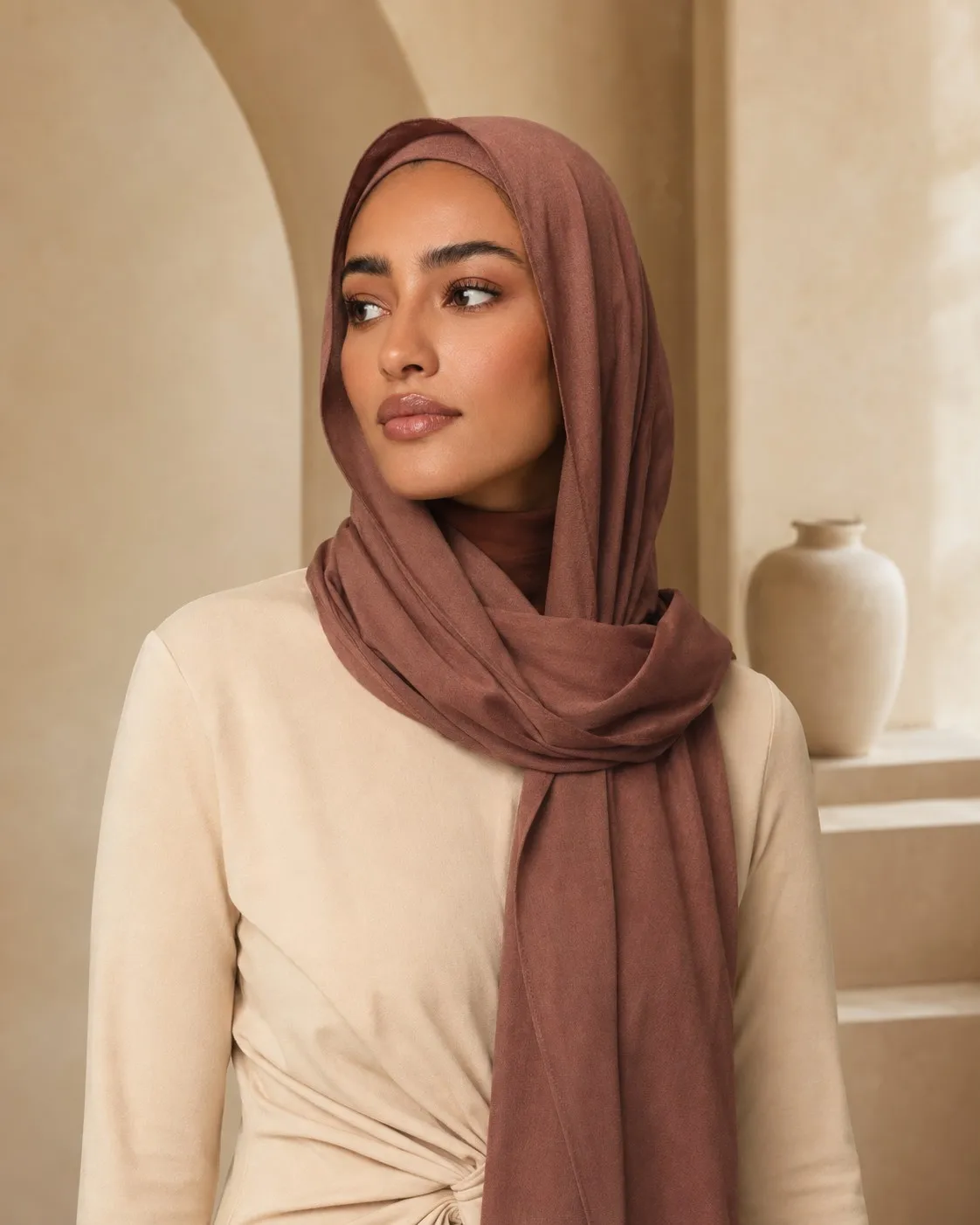
Private Label Bamboo Jersey Hijab — Wholesale Breathable, OEM Manufacturer | Terracotta Solid Collection
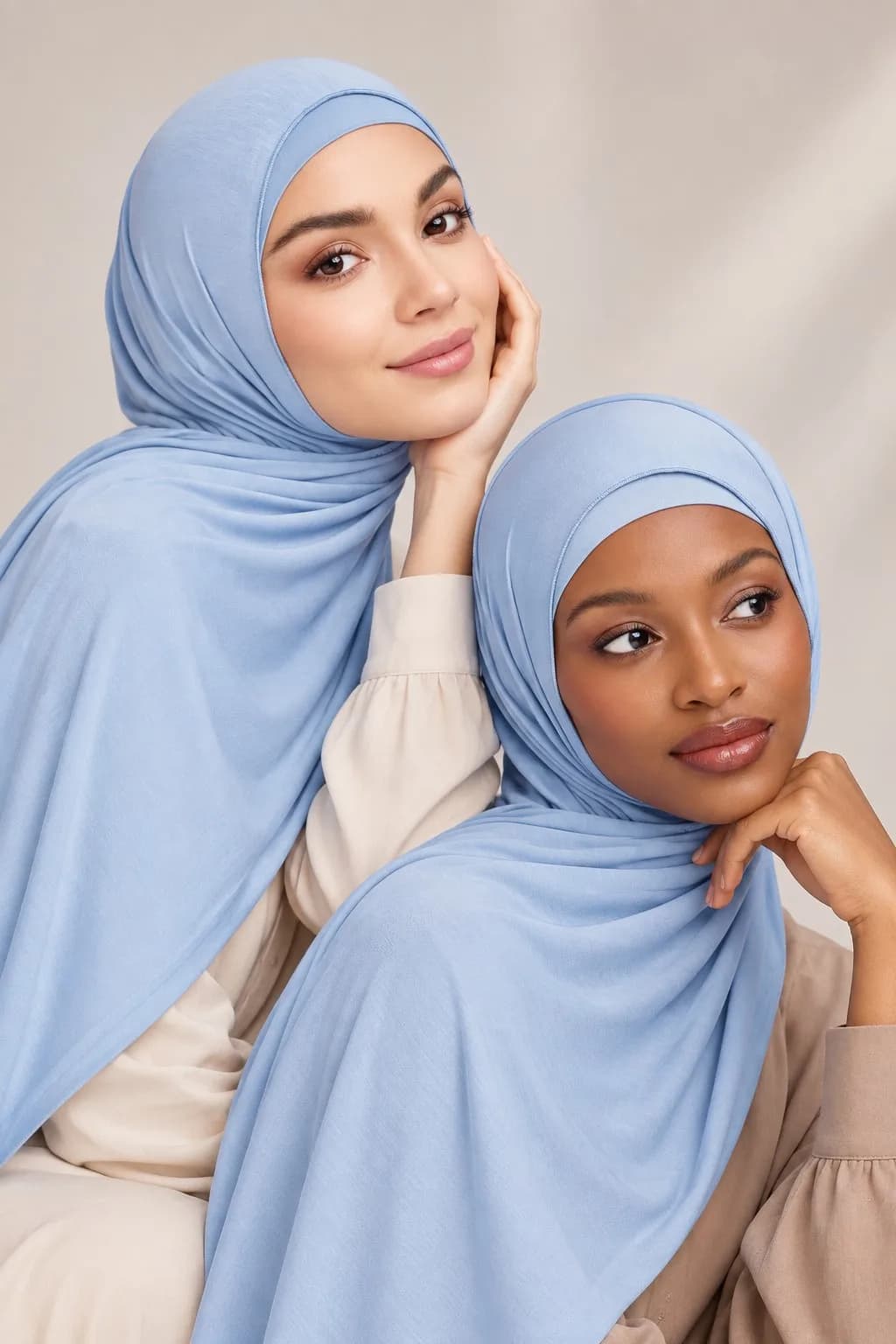
Custom Bamboo Jersey Hijab Set Wholesale | Matching Hijab & Underscarf Manufacturer
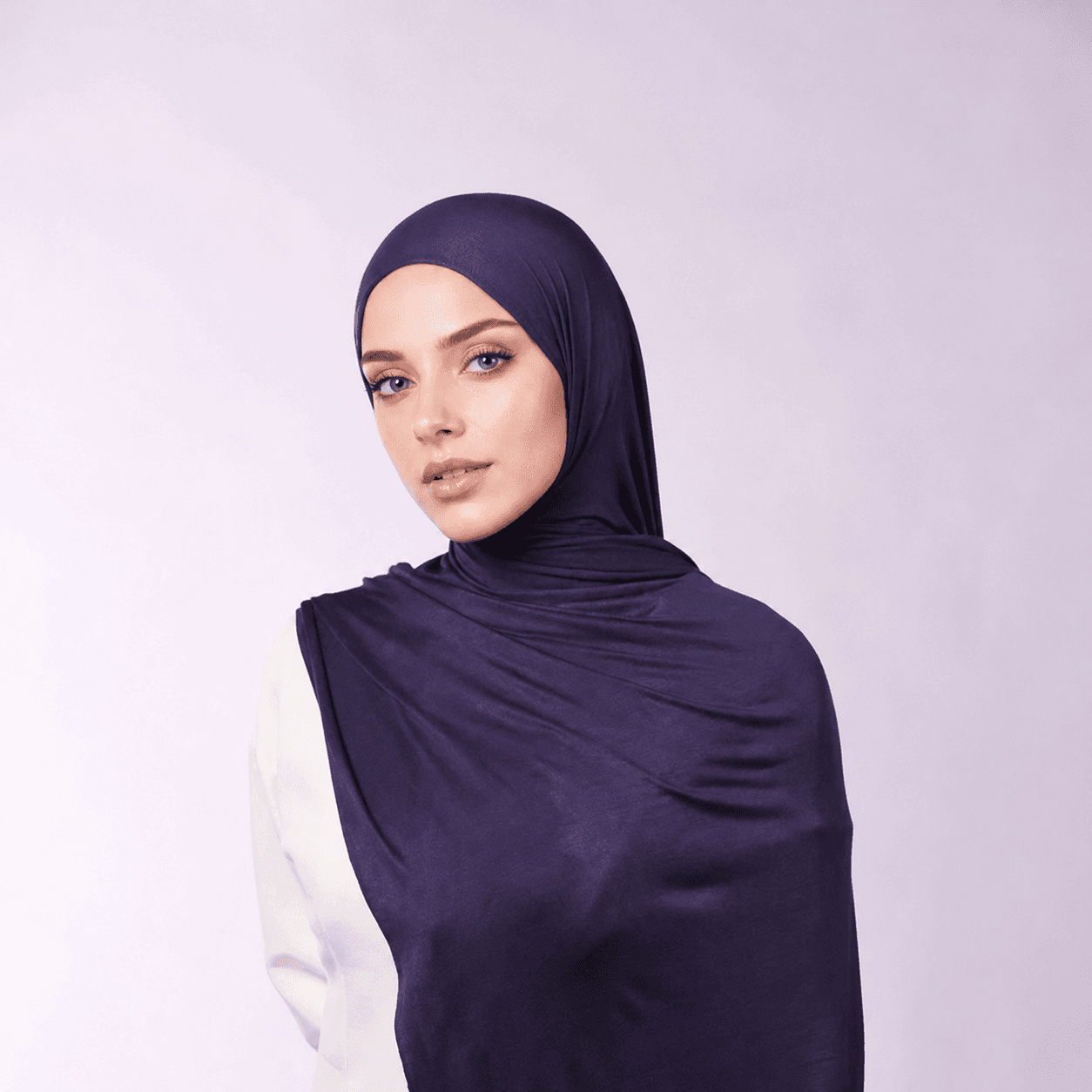
2025 Newest Bamboo Jersey Hijab — Ultra Lightweight Modest Style
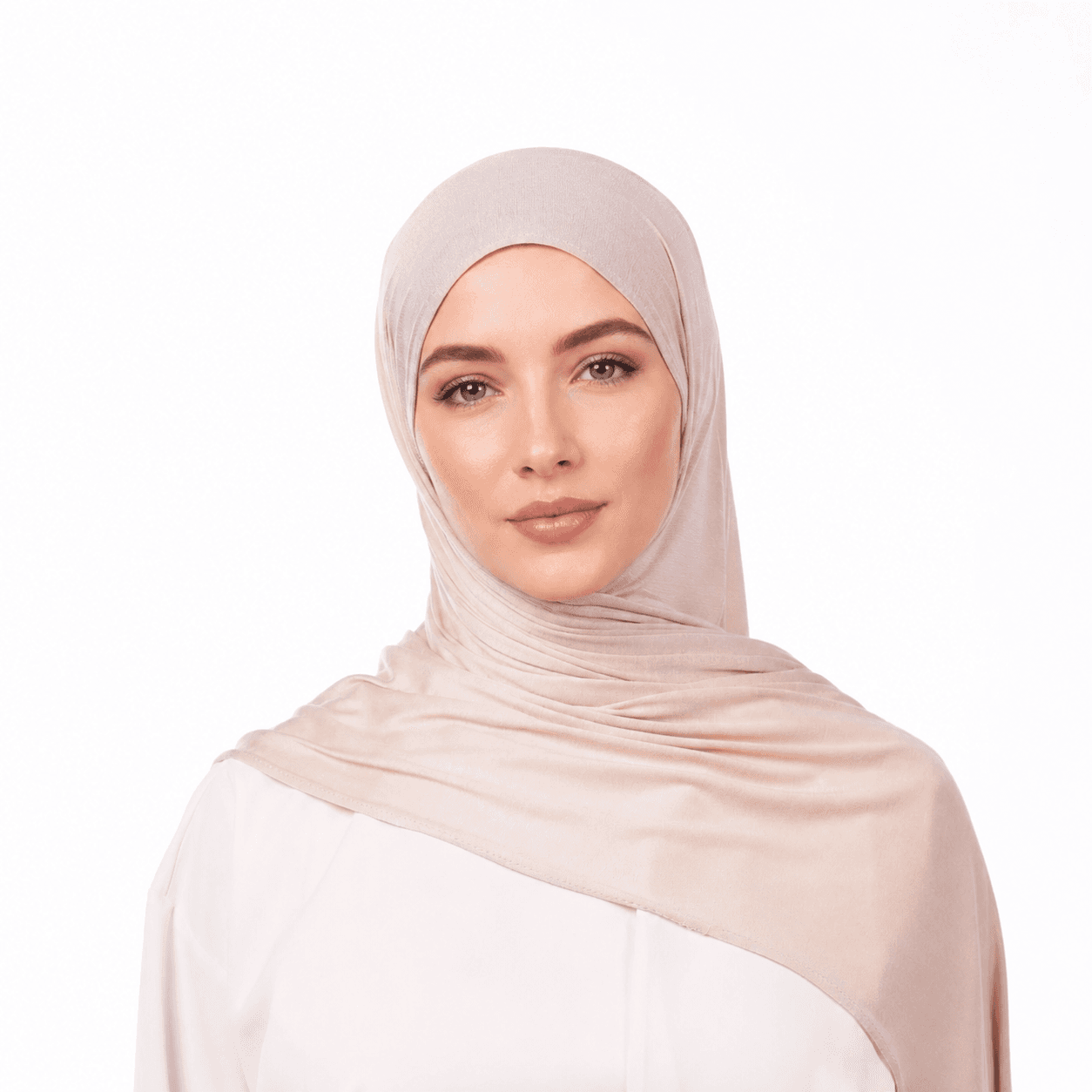
Best-Selling Bamboo Jersey Scarf — Wrap-Soft Durable Stitch
Ready to source hijabs for your brand?
Request a Free Sample Kit